sales@cpa-group.com

+44 1501 825024

Refrigeration

Industrial Air Source Heat Pumps

Air-Source Heat Pumps, Engineered for Heating and Cooling Performance

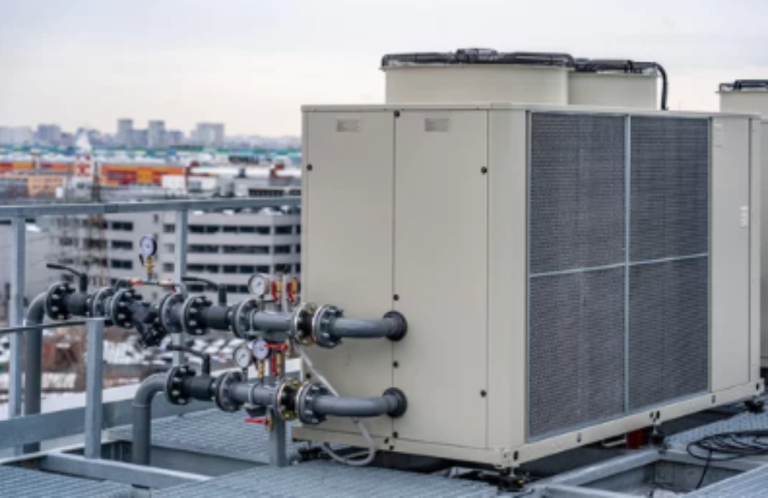
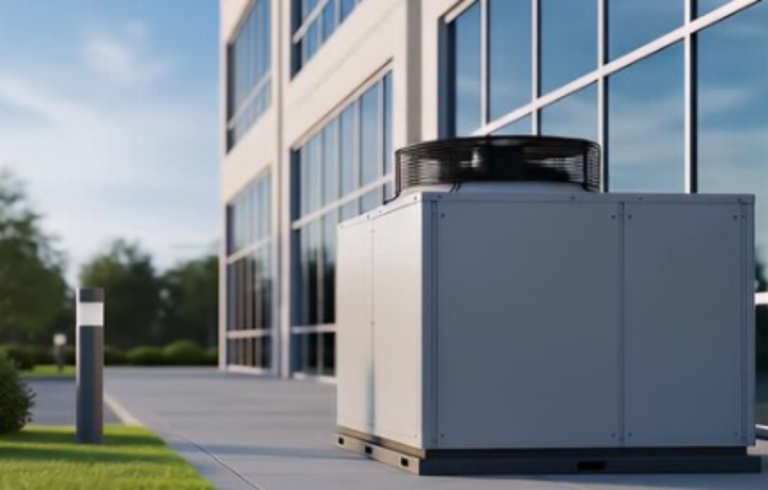
Air-source heat pumps deliver efficient heating and cooling by transferring thermal energy rather than relying on combustion. In industrial and commercial environments, this approach supports improved energy efficiency and lower carbon emissions, while providing flexibility across a range of operating conditions.

By electrifying thermal demand, air-source heat pumps can reduce reliance on natural gas for space and process heating, while also delivering controlled, efficient cooling from the same system architecture.

However, real-world performance is defined by site-specific factors – including required flow temperatures, ambient conditions, duty cycles, and integration with existing plant and controls.

At CPA Engineered Solutions, we design air-source heat pump systems around actual operating profiles, not theoretical assumptions. This engineered approach ensures reliable heating and cooling performance without compromising system stability, operational resilience, or production continuity.

Industrial Air Source Heat Pumps
Engineering Low-Carbon Heat for Industry

Our Refrigeration team designs and delivers industrial heat pump systems tailored to your site and process requirements. From initial assessment through to installation and commissioning, systems are configured for real-world operating conditions and seamless integration with existing plant and controls.

This approach protects performance, system stability, and long-term efficiency, supporting decarbonisation objectives without compromising operational reliability.


Frequently Asked Questions

Are air-source heat pumps suitable for industrial applications?

Air-source heat pumps can be applied in industrial environments where temperature requirements, load profiles, and operating conditions are properly assessed. Suitability depends on factors such as required flow temperatures, duty cycles, available space, and how the system integrates with existing plant and processes.

Can industrial heat pump systems provide both heating and cooling?

Yes. Industrial heat pump systems can be configured to deliver heating, cooling, or a combination of both, depending on site requirements. This allows facilities to electrify thermal demand while maintaining control across different operating modes and seasonal conditions.

Do air-source heat pumps replace gas-fired systems entirely?

Not in every case. In many industrial settings, heat pumps are introduced alongside existing gas-fired plant as part of a hybrid or phased approach. This can reduce reliance on natural gas while maintaining resilience where higher temperatures or standby capacity are required.

What factors influence real-world heat pump performance?

Real-world performance is influenced by site-specific factors including required flow temperatures, ambient air conditions, load variation, operating hours, and integration with existing plant and control systems. These must be considered during design to ensure stable and efficient operation.

How are industrial heat pump systems integrated and commissioned?

Industrial heat pump systems are integrated with existing plant and controls to suit actual operating conditions. Commissioning is carried out against real duty requirements to ensure reliable performance, effective control, and long-term efficiency from day one.




Frequently Asked Questions

Here you’ll find answers to common questions about industrial process chillers

A refrigeration system removes heat from a space or process and rejects it elsewhere using a refrigerant cycle (compression, condensation, expansion, evaporation). Compressor, condenser, expansion device, evaporator, refrigerant, and control system

Common refrigerants include R410A, R454, and R32, along with newer low-GWP refrigerants such as R1234ze and R290. Refrigerant selection depends on the application, operating temperatures, system design, and current environmental regulations.

Poor cooling performance can be caused by refrigerant leaks, dirty heat exchangers, faulty expansion valves, compressor issues, or inadequate airflow or water flow. A system assessment is required to identify the root cause and restore reliable operation.

Service intervals typically range from every 6 to 12 months, depending on system usage, operating environment, and criticality. Higher-duty or critical systems may require more frequent inspection and maintenance.

A chiller removes heat from a circulating liquid, typically water or glycol, and supplies chilled fluid for air conditioning systems or industrial process cooling.

Air-cooled chillers reject heat directly to ambient air using condenser coils and fans.
Water-cooled chillers transfer heat to water, which then rejects it via a cooling tower or an air-blast cooler.

Chillers are used across commercial and industrial sectors including offices, hospitals, data centres, food and drink processing, pharmaceuticals, plastics manufacturing, and chemical processing.

COP (Coefficient of Performance) and EER (Energy Efficiency Ratio) are indicators of chiller efficiency. Higher values indicate greater efficiency for cooling output.

Air-cooled chillers offer lower installation costs, no cooling-tower requirement, reduced water consumption, and simpler maintenance. However, they can be less efficient in high temperatures, produce more noise, and require larger outdoor space.

Air-cooled chillers are usually installed outdoors or in open areas with sufficient airflow to ensure stable operation.

Water-cooled chillers typically deliver higher efficiency, longer service life, and better performance in high ambient conditions. They do, however, involve higher initial costs, more complex installation, and increased maintenance due to cooling towers or air blast systems.

You May Also Like

Enershield Air Barriers

An Unrivalled Seal of Air. Enershield Air Barriers can create up to a 90% seal on open doors

Enerbreeze Portable Evaporative Cooling

Enerbreeze keeps your workspace comfortable and productive.

De-Stratification Fans

Producing a Uniform Temperature. Mixing the air effectively to reduce thermal stratification. Costs go down, comfort goes up.