In industrial environments, unexpected downtime can have a significant impact on day-to-day operations. When critical equipment stops working, it is rarely just a case of fixing the immediate problem. Production schedules can be disrupted, costs can increase and businesses can quickly find themselves under pressure to get things moving again.
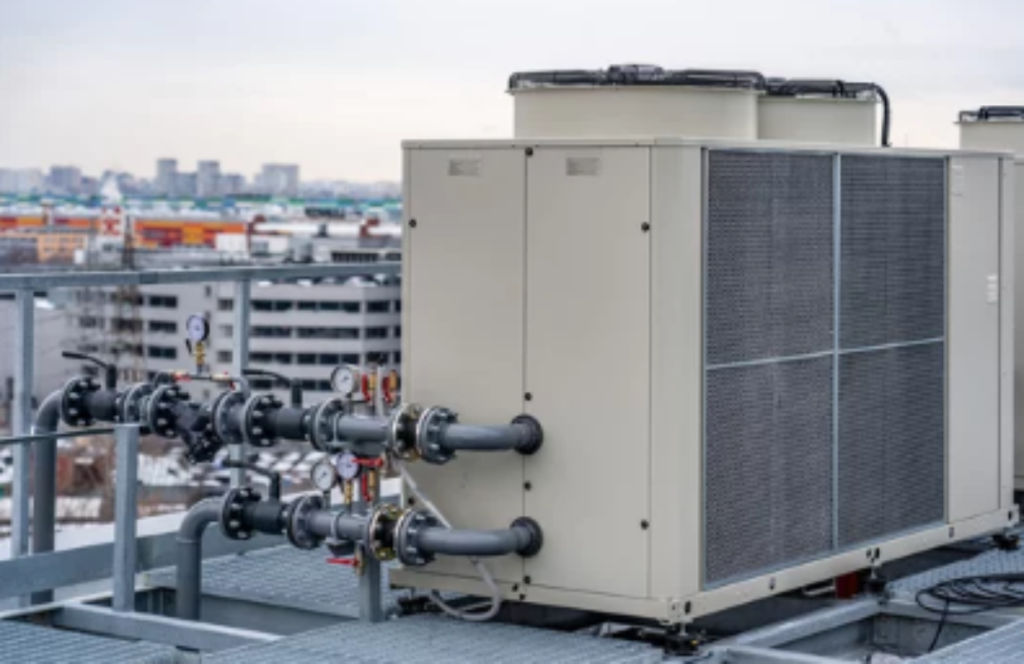
Whether it is a compressed air system supporting production or refrigeration equipment maintaining essential process temperatures, the longer a problem continues, the greater the potential impact on the business.
Most businesses recognise the importance of having reliable equipment, but how much consideration is given to the engineering support available when something does go wrong? And more importantly, what should businesses actually expect from their engineering provider when every minute matters?
Why a Fast Response Matters
When critical equipment fails, time is often the biggest concern. Every minute of disruption can have consequences for production, particularly in environments where processes rely on a continuous supply of compressed air or reliable temperature control.
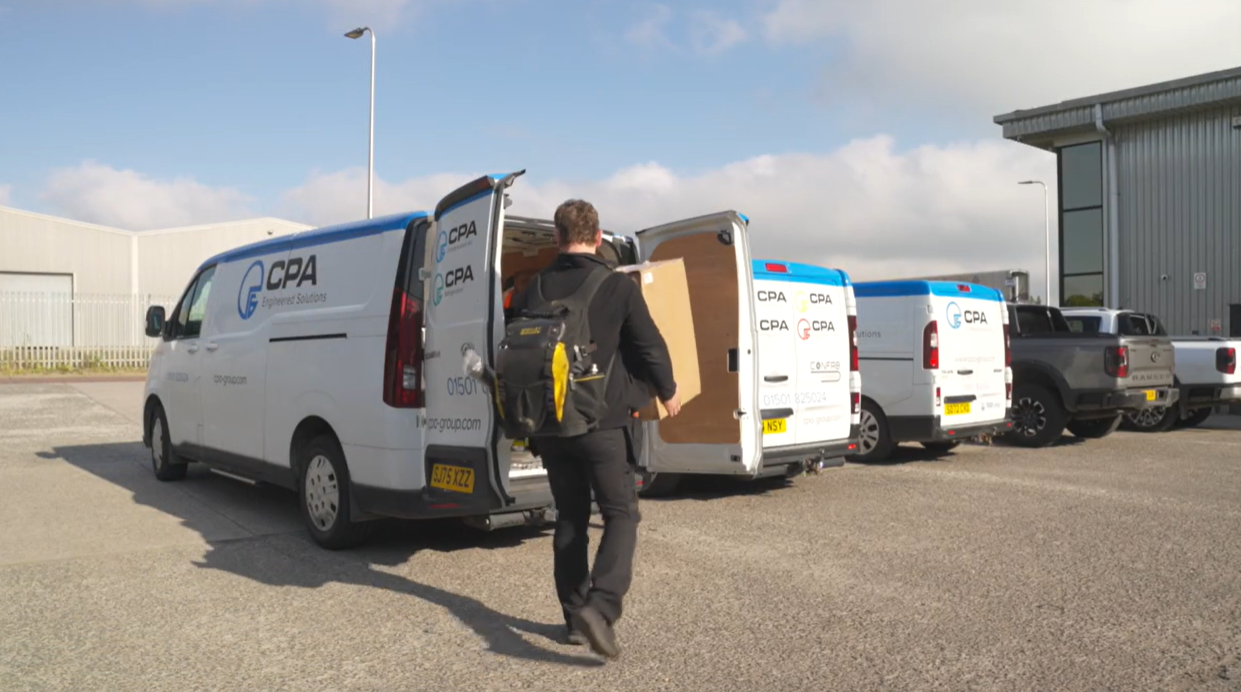
Therefore, having access to an engineering provider that can respond quickly is essential. The sooner an issue can be assessed, the sooner the business can understand what has gone wrong and what needs to happen to restore operations.
For businesses working to tight production schedules, a prompt response can help prevent a relatively small issue from developing into a much larger operational challenge.
However, the real value comes when that responsiveness is supported by experienced engineers who can quickly get to work identifying the problem and finding the most practical solution. Combining speed with technical expertise gives businesses the best possible opportunity to minimise disruption and get operations back on track.
The Value of Being Prepared
Some of the most effective engineering responses begin before a breakdown even happens. When an engineering provider already understands a customer’s equipment, maintenance history and operational requirements, they are in a much better position to help when something goes wrong.
This familiarity can make a real difference when time is limited. Rather than starting from scratch, engineers can utilise their knowledge of the system to investigate potential causes and identify suitable solutions.
Preparation also means thinking about what happens if a critical system becomes unavailable. Are replacement parts readily accessible? Is there an alternative way to maintain operations? Has the business considered which equipment would cause the greatest disruption if it failed?
These are conversations worth having with your engineering solutions provider before an emergency, rather than when production has already come to a standstill.
Understanding the Whole Picture
One of the challenges with industrial downtime is that the consequences are not always limited to the equipment that has failed. A compressed air issue, for example, could affect several production processes at once, while a refrigeration failure could put temperature-sensitive products or essential manufacturing operations at risk.
This is where an understanding of the wider operation becomes particularly valuable. It is not simply about repairing a component or getting a system running again. It is about recognising what the failure means for the business and finding the most practical way to minimise disruption.
Sometimes that means carrying out an immediate repair. In other situations, it might involve arranging temporary hire equipment or identifying an alternative solution that allows operations to continue while a permanent repair is organised.
The right approach will depend on the circumstances, but having access to multi-strength engineers who can assess the situation and consider the wider implications can make a significant difference.
Communication When Things Go Wrong
When production is disrupted, one of the biggest problems for businesses can be not knowing what is happening or how long the problem might take to resolve.
Maintenance teams need to understand the technical issue, production managers need to make decisions about schedules and senior management may need to consider the potential financial or operational impact.
Clear, consistent communication from an engineering provider is therefore an important part of managing downtime. Even when a fault cannot be resolved immediately, knowing what has been identified, what the next steps are and what options are available can help businesses plan around the disruption.
It is not always possible to provide an immediate answer, particularly with more complex faults, but keeping customers informed and being easily contactable should remain priorities throughout the process.
Beyond the Breakdown
Of course, the best outcome is to avoid unexpected downtime wherever possible. Regular servicing, preventative maintenance and ongoing system assessments can all help identify developing issues before they become more serious problems.
However, no industrial system is completely immune to failure, and even businesses with well-maintained equipment can experience unexpected disruption. When this happens, the speed at which engineering support can be available can have a direct influence on how long operations remain affected.
For that reason, choosing an engineering provider should involve more than comparing service costs. Businesses should also consider the response times of the engineering provider, the experience of the engineers, their understanding of the equipment, the resources available to them and how effectively they can support the operation when problems arise.
Ultimately, a good engineering partnership should provide confidence that when something does go wrong, support will be available when it is needed most. Combining fast response times with technical expertise, preparation and a genuine understanding of the customer’s operation can help businesses reduce disruption and return to normal operations sooner.
Because when downtime starts affecting production, every second counts, and having the right engineering support in place can make all the difference.