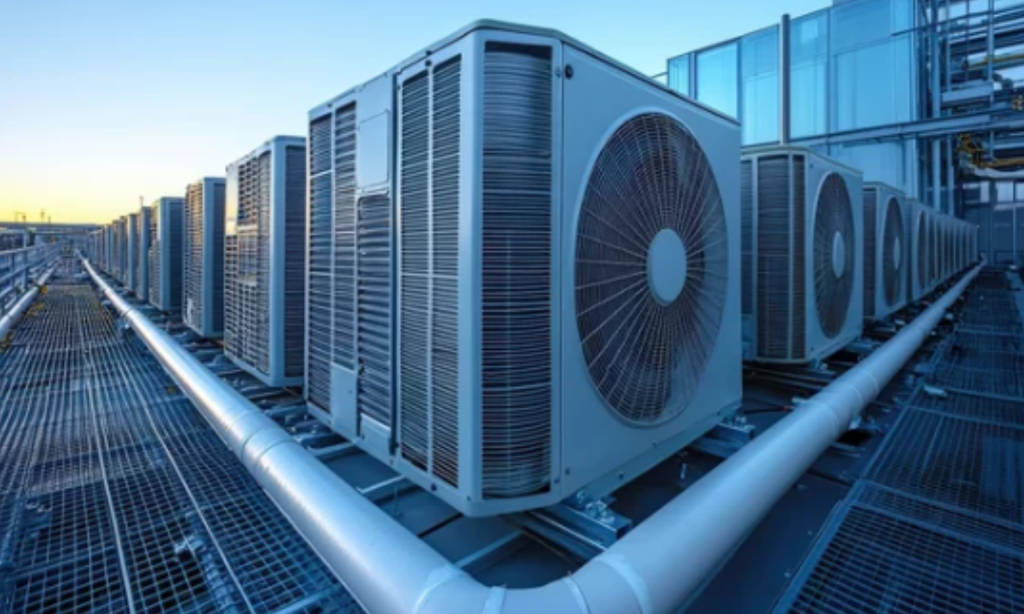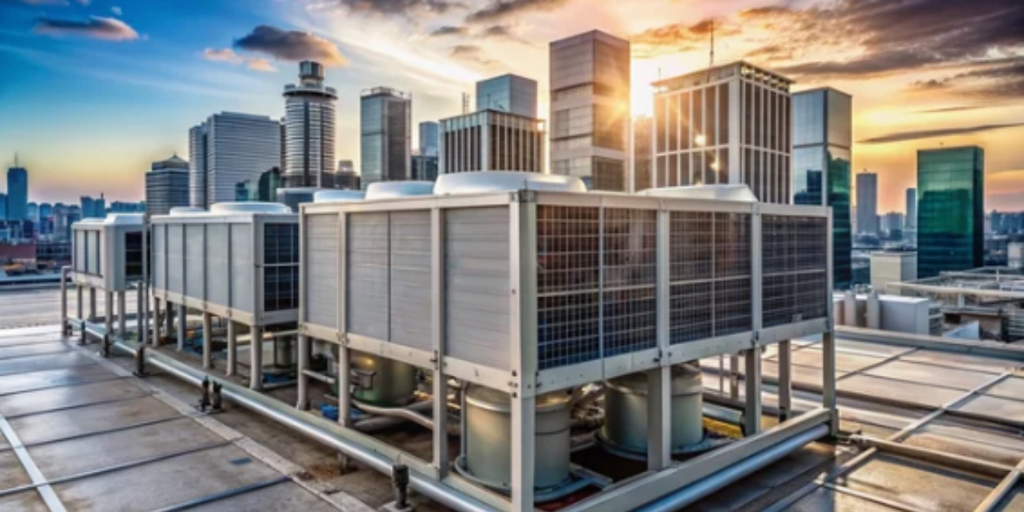
Industrial chillers are designed to provide reliable, consistent cooling for critical processes. Whether they are supporting manufacturing, food production, pharmaceuticals, plastics or commercial facilities, their performance often has a direct impact on productivity, product quality and operating costs.
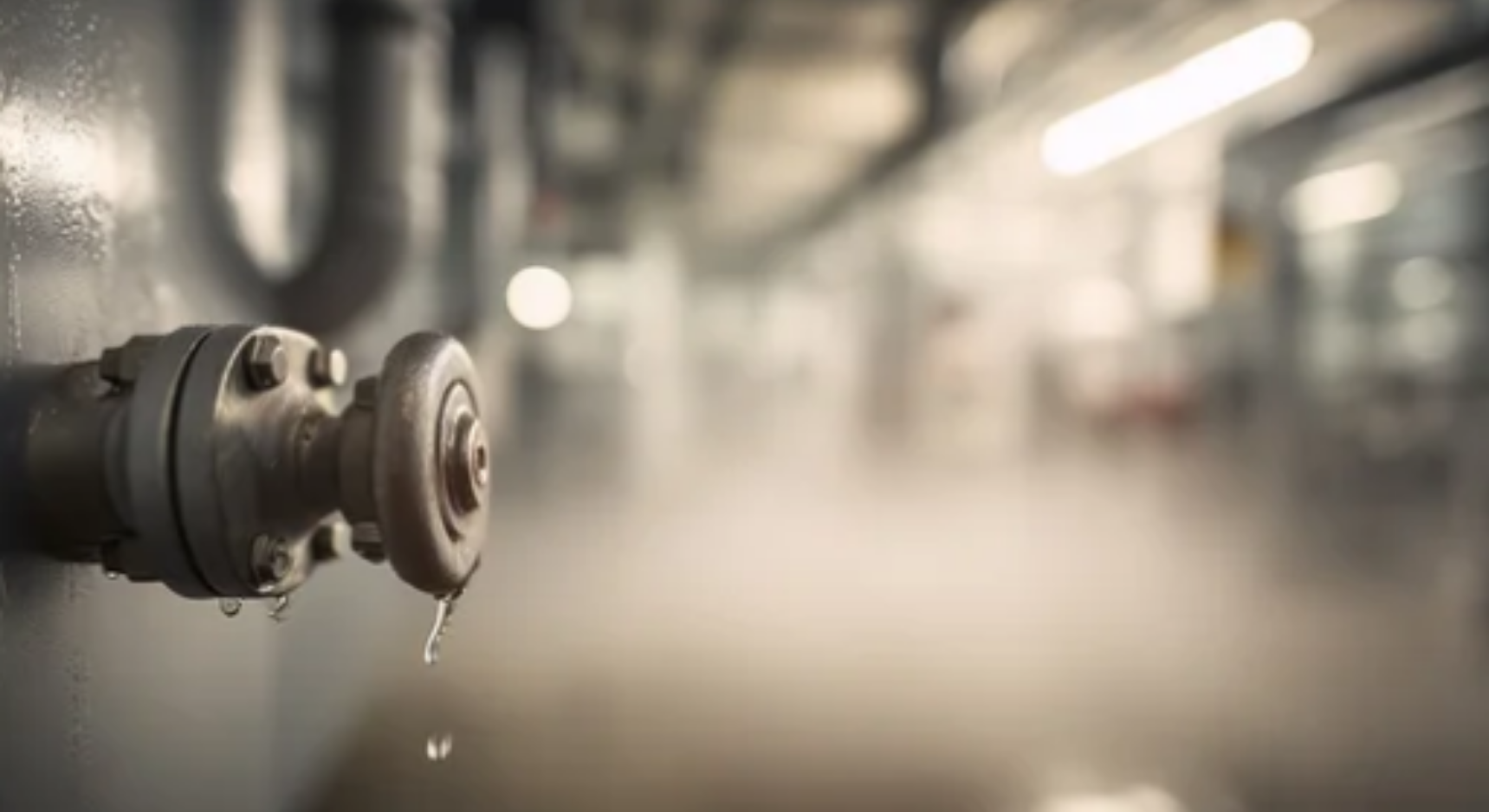
Yet refrigerant leaks are one of the most common issues affecting chiller systems, and they are also one of the easiest to overlook. A small leak may not seem like an urgent problem, particularly if the system is still operating, but the consequences rarely stay small for long.
So, what actually happens if a refrigerant leak is left untreated?
The Chiller Doesn’t Simply Lose Refrigerant
A common misconception is that a refrigerant leak only means the system needs to be topped up. In reality, refrigerant is part of a carefully balanced system designed to absorb and reject heat efficiently. Once that balance is disrupted, overall performance begins to decline.
Even a relatively small loss of refrigerant can reduce cooling capacity, force the compressor to work harder and make it more difficult for the chiller to maintain the required temperature.
Initially, these changes may be difficult to notice. Over time, however, they become increasingly expensive.
Energy Consumption Begins to Increase
When refrigerant levels fall, the system has to work much harder to achieve the same cooling output.
Compressors may run for longer periods, cycle more frequently or operate under greater stress in an attempt to compensate for the reduced refrigerant charge. The result is higher electricity consumption without delivering any additional cooling performance.
Many businesses focus on improving energy efficiency through equipment upgrades or building improvements, yet an undetected refrigerant leak can quietly erode those savings every day.
Cooling Performance Becomes Less Reliable
Consistent temperatures are essential across many industrial applications.
A chiller struggling with low refrigerant may experience:
- Reduced cooling capacity
- Longer pull-down times
- Temperature fluctuations
- Difficulty maintaining process temperatures
- Increased downtime during periods of high demand
For facilities where temperature control directly affects production quality, these issues can quickly become operational problems rather than simple maintenance concerns.
Compressor Damage Can Follow
The compressor is one of the most valuable components within any chiller system.
When refrigerant levels become too low, the compressor may overheat or operate outside of its intended design conditions. Refrigerant also plays an important role in cooling the compressor during operation, meaning insufficient charge increases mechanical stress over time.
What could have been resolved through early leak detection and repair may eventually develop into a major compressor failure, significantly increasing repair costs and system downtime.
Small Leaks Often Become Larger Ones
Refrigerant leaks rarely repair themselves.
Vibration, thermal expansion, ageing pipework, damaged seals and worn joints can all allow a small leak to worsen over time. As refrigerant continues to escape, system performance deteriorates further while repair costs continue to rise.
Addressing a leak early is often considerably simpler than waiting until multiple components have been affected.
Environmental Responsibilities Cannot Be Ignored
Many refrigerants used in industrial cooling systems have a high Global Warming Potential (GWP). Even relatively small leaks can contribute to unnecessary greenhouse gas emissions if left unresolved.
Businesses are increasingly expected to demonstrate responsible environmental management alongside improving operational efficiency. Preventing refrigerant losses supports both objectives.
Regular leak inspections also help organisations remain compliant with relevant refrigerant handling regulations while reducing avoidable environmental impact.
The Hidden Cost Is Often Unplanned Downtime
The financial impact of a refrigerant leak is not usually limited to the refrigerant itself.
If cooling capacity falls below operational requirements, businesses may experience:
- Production interruptions
- Reduced product quality
- Delayed deliveries
- Emergency repair costs
- Lost productivity
- Increased maintenance expenditure
For many facilities, the cost of unexpected downtime quickly exceeds the cost of repairing the original leak.
Prevention Is Always More Cost Effective Than Reaction
Most refrigerant leaks develop gradually, providing opportunities for early detection before they become major failures.
Routine maintenance allows engineers to identify refrigerant losses, investigate the root cause and restore the system before efficiency, reliability and component life are significantly affected.
Rather than simply replacing lost refrigerant, effective maintenance focuses on identifying why the leak occurred in the first place, helping to prevent repeat issues and improve long-term system performance.
A Reliable Chiller Depends on More Than Just Cooling
Industrial chillers play a critical role in keeping many businesses operating efficiently. When refrigerant leaks are ignored, the effects extend far beyond cooling performance.
Energy costs rise, equipment experiences greater stress, environmental impacts increase and the risk of costly downtime becomes significantly higher.
Identifying and repairing refrigerant leaks early helps protect both the performance of the chiller and the wider operation it supports. In many cases, the most expensive refrigerant leak is not the refrigerant that escapes. It is the hidden operational cost that develops while the problem goes unnoticed.