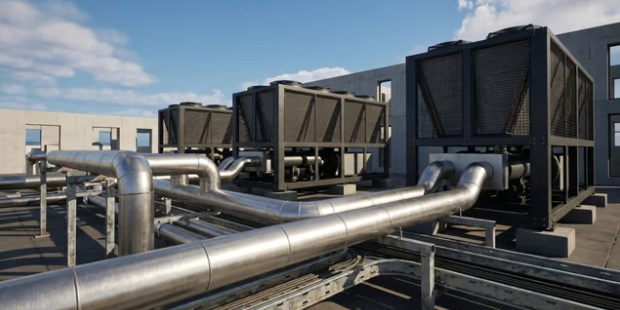
Chillers play an important role in keeping operations running smoothly, but like any piece of equipment, they need regular attention to perform at their best. When a chiller is doing its job, it’s easy to overlook what’s happening behind the scenes. It’s often only when something goes wrong that the importance of maintaining the system becomes clear.
The reality is that most refrigeration problems don’t appear overnight. There are often early warning signs that something isn’t quite right, and recognising them can make the difference between a straightforward maintenance visit and an unexpected breakdown. As we head into the colder months, now is a good time to take a closer look at how your industrial chiller is performing.
Inconsistent Cooling Performance
One of the clearest signs that your chiller needs attention is a change in cooling performance. If your system is struggling to maintain consistent temperatures or taking longer than usual to reach its setpoint, there could be an underlying issue. This might be caused by reduced coolant flow, fouled heat exchangers, incorrect refrigerant charge or problems with system controls. Whatever the cause, inconsistent cooling can have a knock-on effect on production processes, particularly in industries where precise temperature control is essential.
A chiller shouldn’t have to work harder than necessary to deliver the cooling your operation requires. If performance starts to change, it’s worth investigating before the problem develops further.
Unusual Noises or Vibrations
Every industrial chiller makes some noise during normal operation, but maintenance teams will usually be familiar with how their equipment should sound. New or unusual noises, excessive vibration or changes in operating sound shouldn’t be ignored. These could indicate issues with pumps, compressors, fans or other mechanical components.
What might initially seem like a minor change could be an early indication of wear or a developing fault. Identifying the cause early can help prevent further damage and reduce the likelihood of an unexpected shutdown.
Rising Energy Consumption
Have you noticed your refrigeration system using more energy without any obvious increase in cooling demand? Industrial chillers can account for a significant proportion of a facility’s energy consumption, so even relatively small changes in efficiency can have an impact on operating costs.
Dirty heat exchangers, poorly maintained components, incorrect system settings and reduced heat transfer efficiency can all cause a chiller to consume more energy than necessary. With energy costs remaining an important consideration for businesses, maintaining an efficient refrigeration system is about more than simply keeping equipment running. It’s also about making sure you’re not paying more than you need to.
Frequent Alarms or System Faults
It’s easy to become accustomed to occasional alarms, particularly if a system can be reset and returned to operation without any immediate problems. However, recurring faults shouldn’t become part of normal operation.
Repeated high or low pressure alarms, temperature warnings or flow-related faults can indicate that something within the system isn’t functioning as it should. Resetting an alarm might get things running again temporarily, but it doesn’t address the underlying cause. If your chiller is regularly experiencing faults, it’s worth having the system assessed before a minor issue turns into a more serious failure.
Visible Leaks or Signs of Deterioration
Not every warning sign requires specialist monitoring equipment. Sometimes, the first indication of a problem is something that can be spotted during a routine visual inspection. Leaks around pipework, pumps or connections, damaged insulation, corrosion and unusual moisture build-up can all suggest that parts of the system need attention.
As temperatures begin to fall, the condition of your refrigeration system becomes particularly important. Incorrect glycol concentrations or inadequate freeze protection can leave equipment vulnerable to freezing conditions, potentially resulting in damaged components and costly repairs. Regular inspections and appropriate glycol testing can help identify these risks before colder weather creates additional problems.
More Frequent Repairs and Maintenance Callouts
If your chiller seems to require attention more often than it used to, it may be time to look beyond the individual faults. Repeated repairs can sometimes indicate a wider issue with the system’s condition, operating requirements or maintenance approach.
While addressing each fault as it appears might keep the equipment running in the short term, it doesn’t necessarily provide a long-term solution. Understanding why problems continue to occur can help businesses make more informed decisions about servicing, repairs and future equipment requirements.
Don’t Wait Until Your Chiller Stops Working
One of the biggest challenges with refrigeration is that equipment can continue operating even when its performance is beginning to deteriorate. A chiller might still be delivering cooling, but that doesn’t necessarily mean it’s operating efficiently or reliably.
Taking a proactive approach to maintenance gives businesses the opportunity to identify developing issues, improve system performance and reduce the risk of unplanned downtime. With winter approaching, it’s also an ideal time to review glycol levels, freeze protection measures and the overall condition of your refrigeration equipment.