As temperatures continue to rise across the UK, conversations around workplace comfort and cooling are becoming more common. However, for businesses that rely on industrial refrigeration, hotter weather presents a much bigger challenge than employee comfort alone.
Many refrigeration systems operating today were designed around historic climate conditions. While they may continue to perform well for much of the year, periods of prolonged hot weather can expose limitations that have developed over time or existed since the system was first installed.
The question many businesses should now be asking is not whether their refrigeration system is working, but whether it has been designed for the environment it is expected to operate in today.
Why Ambient Temperature Matters More Than Ever
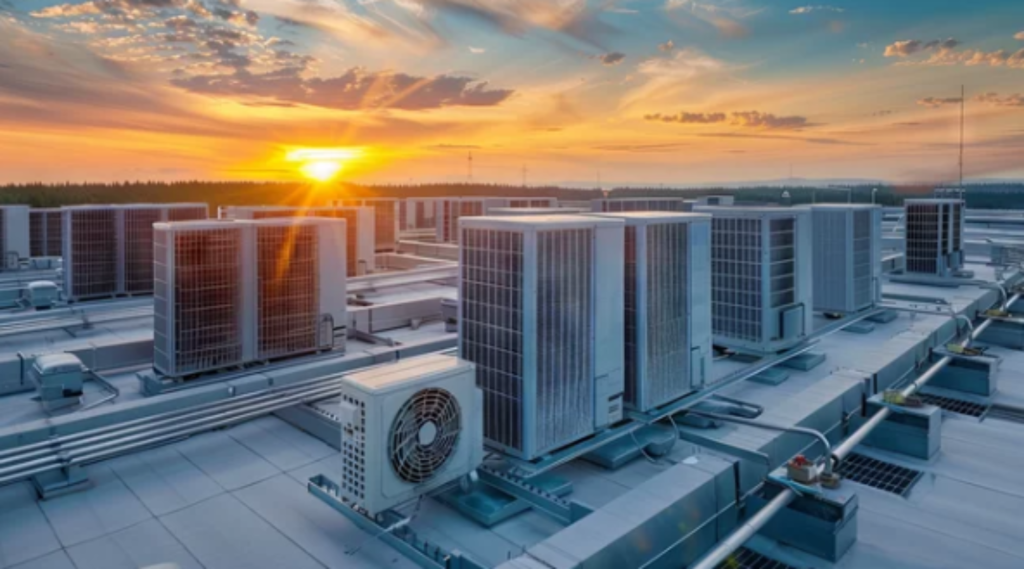
Industrial refrigeration systems reject heat from inside a building to the outside environment. As external temperatures increase, that process becomes more demanding.
Compressors often need to work harder to maintain the same cooling performance. Condensing pressures can rise, energy consumption can increase, and components experience greater operating stress. In some cases, systems may struggle to achieve the temperatures required to protect products, processes or production schedules.
While these challenges are often most visible during a heatwave, they can be an indication that a refrigeration system is operating with limited resilience throughout the year.
The Hidden Cost of Rising Temperatures
When refrigeration performance begins to decline, the financial impact extends well beyond higher electricity bills.
Businesses may experience:
- Reduced cooling capacity during periods of peak demand
- Increased wear on compressors and critical components
- Greater risk of unplanned breakdowns
- Product quality concerns where temperature control is essential
- Increased maintenance and emergency repair costs
- Operational disruption and production downtime
These hidden costs often develop gradually, making them difficult to identify until warmer weather places additional pressure on the system.
Has Your Business Outgrown Its Refrigeration System?
Industrial facilities rarely remain unchanged over the lifetime of a refrigeration installation.
Production volumes increase. Equipment is added. Building layouts evolve. Operating hours become longer. Cold storage requirements expand.
A refrigeration system that was correctly sized ten or fifteen years ago may now be supporting a significantly different operation.
Periods of high ambient temperature can reveal these changes by exposing capacity limitations that may otherwise go unnoticed.
Rather than viewing this as a seasonal issue, it presents an opportunity to reassess whether existing refrigeration infrastructure continues to support current business requirements.
Building Resilience Rather Than Reacting to Failure
For many organisations, refrigeration maintenance focuses on keeping equipment operational.
While preventative maintenance remains essential, resilience requires a broader approach.
Forward-thinking businesses are increasingly reviewing:
- Overall system capacity
- Energy efficiency under varying operating conditions
- Refrigerant performance
- Control strategies and system optimisation
- Future production requirements
- Asset lifecycle planning
By taking a strategic view of refrigeration performance, businesses can reduce operational risk while improving long term efficiency and reliability.
Preparing for a Changing Climate
Extreme weather events are becoming more frequent, placing greater emphasis on designing industrial systems that can continue to perform under increasingly demanding conditions.
Whether operating within food manufacturing, pharmaceuticals, cold storage, process cooling or industrial production, reliable refrigeration has become a critical part of business continuity.
Preparing for future summers is no longer simply about responding to the next heatwave. It is about ensuring refrigeration systems remain capable of supporting operational performance for years to come.
Looking Beyond the Next Heatwave
Periods of extreme weather often act as a stress test for industrial refrigeration systems, highlighting weaknesses that may have developed over time or exposing capacity limitations that have previously gone unnoticed.
Rather than viewing these events as isolated seasonal challenges, they should be seen as an opportunity to review whether refrigeration infrastructure remains aligned with current operational demands and future business objectives.
As the UK’s climate continues to evolve, refrigeration is becoming less about simply maintaining temperature and more about supporting resilience, efficiency and business continuity. Organisations that take a proactive approach by reviewing system performance, planning for future capacity and optimising existing assets are likely to be better positioned to manage rising energy costs, reduce operational risk and maintain consistent performance throughout the year.
The question is no longer whether industrial refrigeration systems can cope with today’s conditions. It is whether they are prepared for the conditions of tomorrow.