As summer temperatures rise, many businesses begin preparing for increased operational demand, higher energy consumption and greater pressure on critical infrastructure. Yet one area that is often overlooked until problems emerge is cooling resilience.
For industries that rely on precise temperature control, cooling is not simply a background utility. It supports production continuity, product quality, regulatory compliance and operational stability. Across sectors such as food processing, manufacturing, pharmaceuticals and logistics, businesses are increasingly reassessing whether existing cooling infrastructure can cope with periods of peak seasonal demand.
This shift is one reason why temporary chiller hire is gaining greater attention ahead of summer periods. Increasingly, it is being viewed not as an emergency measure, but as part of a broader operational strategy.
Summer Conditions Place Greater Pressure on Cooling Infrastructure
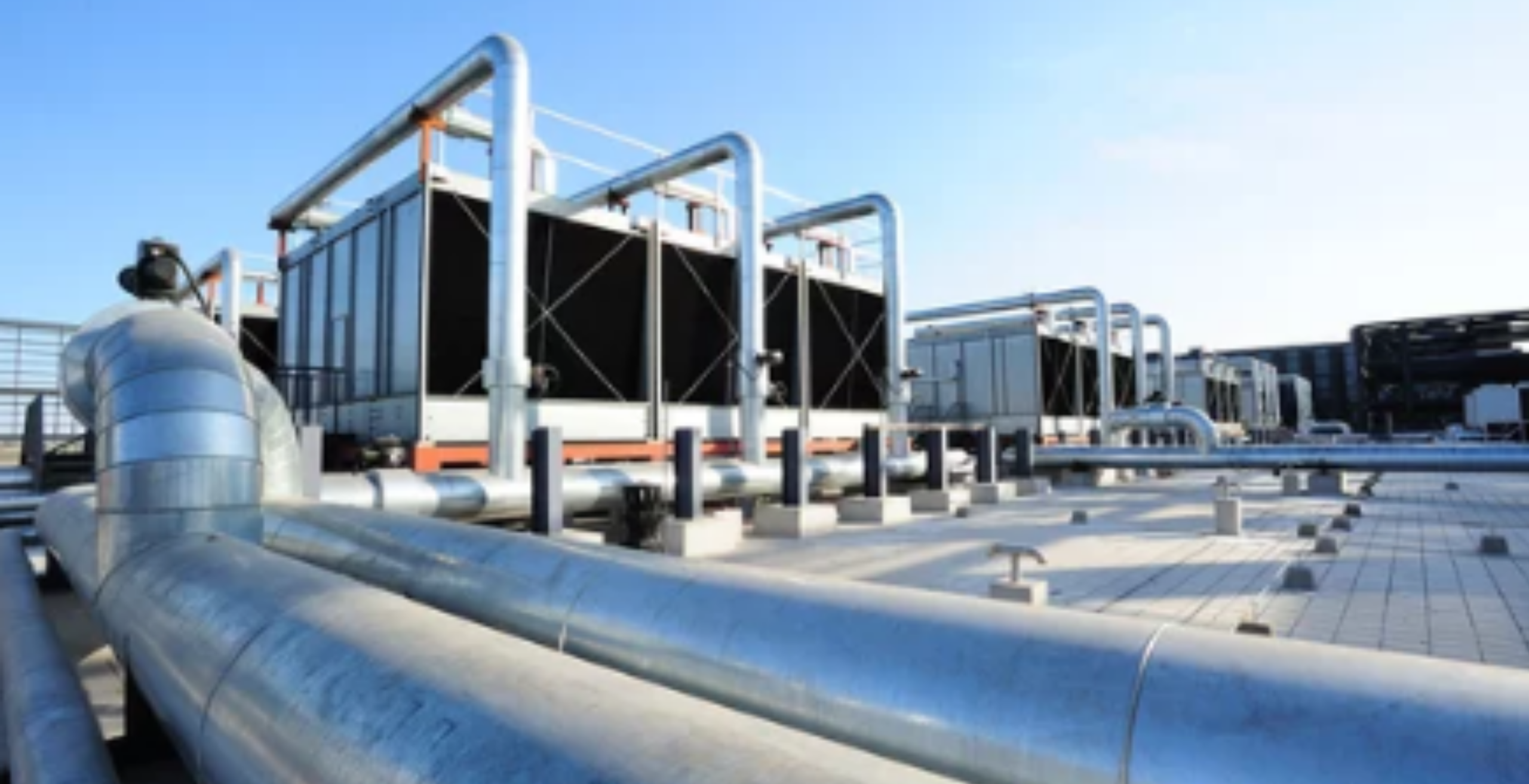
Industrial refrigeration and cooling systems are designed to operate continuously under demanding conditions. However, higher ambient temperatures naturally increase system workload and reduce operational efficiency.
As temperatures rise, cooling systems may experience:
- increased condenser pressures
- reduced cooling performance
- higher compressor strain
- increased energy consumption
- reduced capacity during peak production periods
In many facilities, these pressures remain largely unnoticed during cooler months. Summer conditions can expose inefficiencies or capacity limitations that are otherwise hidden within normal operating conditions.
This is particularly important in industries that rely heavily on their refrigeration systems, which therefore means they require a higher amount of energy consumption in order to keep up with operational demand.
The challenge is not always whether a system can achieve a target temperature. Increasingly, the question is whether it can maintain stable performance during fluctuating seasonal loads while supporting operational continuity.
Cooling Reliability Is Now a Business Continuity Issue
Historically, cooling infrastructure was often viewed primarily through a maintenance or engineering lens. That perspective is changing.
For many businesses, cooling performance now directly affects production output, food safety, product integrity, environmental conditions, regulatory compliance and delivery schedules. A temporary loss of cooling can rapidly escalate into a wider operational issue. In temperature-sensitive sectors, even short interruptions can lead to product loss, production delays and significant financial impact.
As operational environments become more complex, businesses are increasingly recognising that refrigeration reliability is closely linked to wider risk management and continuity planning.
This reflects a broader industry trend towards resilience-focused infrastructure planning rather than purely reactive maintenance strategies.
Why Businesses Are Reassessing Cooling Resilience Before Summer
Many organisations are now reviewing whether existing systems offer enough flexibility to manage periods of exceptional demand or unexpected disruption.
This is where temporary chiller hire is increasingly entering the conversation.
Rather than being viewed solely as emergency backup following a breakdown, temporary cooling is now often considered for:
- seasonal demand increases
- planned maintenance periods
- infrastructure upgrades
- temporary production expansion
- contingency planning during heatwaves
- additional cooling redundancy
This shift reflects changing operational priorities. Businesses are placing greater emphasis on flexibility, responsiveness and resilience within critical infrastructure planning.
In practical terms, temporary cooling can provide additional operational capacity without requiring immediate long-term capital investment.
Heatwaves Are Changing Operational Expectations
Periods of extreme heat are becoming more frequent and less predictable. This is creating new operational pressures for facilities teams responsible for maintaining stable environmental conditions.
Many existing cooling systems were designed around historic operating assumptions. However, changing weather patterns and increased production demands are forcing businesses to reconsider whether older infrastructure remains sufficient during peak summer conditions.
As a result, organisations are beginning to ask more strategic questions:
- How resilient is existing cooling infrastructure during prolonged heat?
- Can cooling performance remain stable during peak production demand?
- What contingency measures exist if system performance drops unexpectedly?
These are no longer purely engineering discussions. They increasingly influence operational planning, production confidence and long-term infrastructure investment decisions.
Flexibility Is Becoming Increasingly Valuable
One reason temporary cooling solutions are receiving greater attention is operational flexibility. Many businesses now operate in environments shaped by fluctuating production requirements, evolving compliance expectations, energy cost pressures and supply chain uncertainty.
Under these conditions, flexible cooling capacity can help organisations respond more effectively to changing operational demands. Temporary chiller support can allow facilities to:
- increase cooling capacity during peak periods
- maintain operations during maintenance works
- support phased infrastructure upgrades
- reduce pressure on ageing equipment
- avoid rushed capital replacement decisions
This flexibility is increasingly seen as part of wider operational resilience planning rather than simply short-term equipment provision.
Proactive Planning Reduces Operational Risk
One of the biggest challenges during periods of extreme summer demand is that cooling issues often emerge simultaneously across multiple sites and industries.
When temperatures rise sharply, demand for temporary cooling equipment and engineering support can increase significantly. Businesses that only begin assessing options after systems become compromised may face greater disruption and reduced response flexibility.
Forward planning allows organisations to assess cooling capacity before summer peaks, identify infrastructure vulnerabilities and plan maintenance more effectively. This can help reduce the likelihood of emergency downtime and strengthen contingency strategies.
As cooling systems become more closely tied to operational performance, proactive planning is becoming increasingly important across industrial sectors.
Cooling Strategy Is Becoming Part of Wider Operational Resilience
Industrial refrigeration and process cooling have always been critical to temperature-sensitive operations. What is changing is how businesses view their role within wider operational strategy.
Cooling infrastructure is no longer simply about maintaining temperature. It supports productivity, compliance, efficiency and continuity across the entire operation.
As summer pressures intensify and operational demands continue to evolve, more businesses are recognising the importance of flexible and resilient cooling strategies. Temporary chiller hire is increasingly being considered within that wider conversation, not simply as a reactive measure, but as part of a more proactive approach to infrastructure resilience and operational continuity.