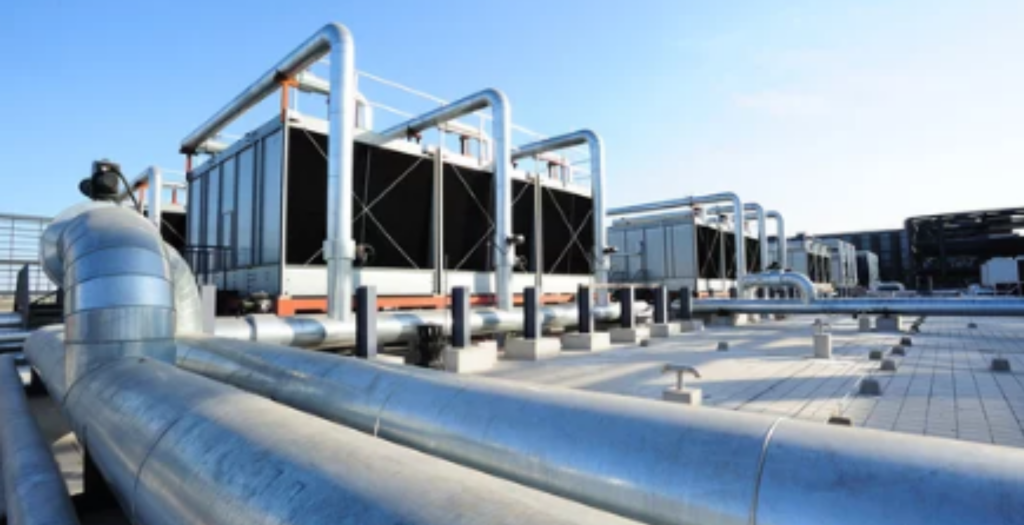
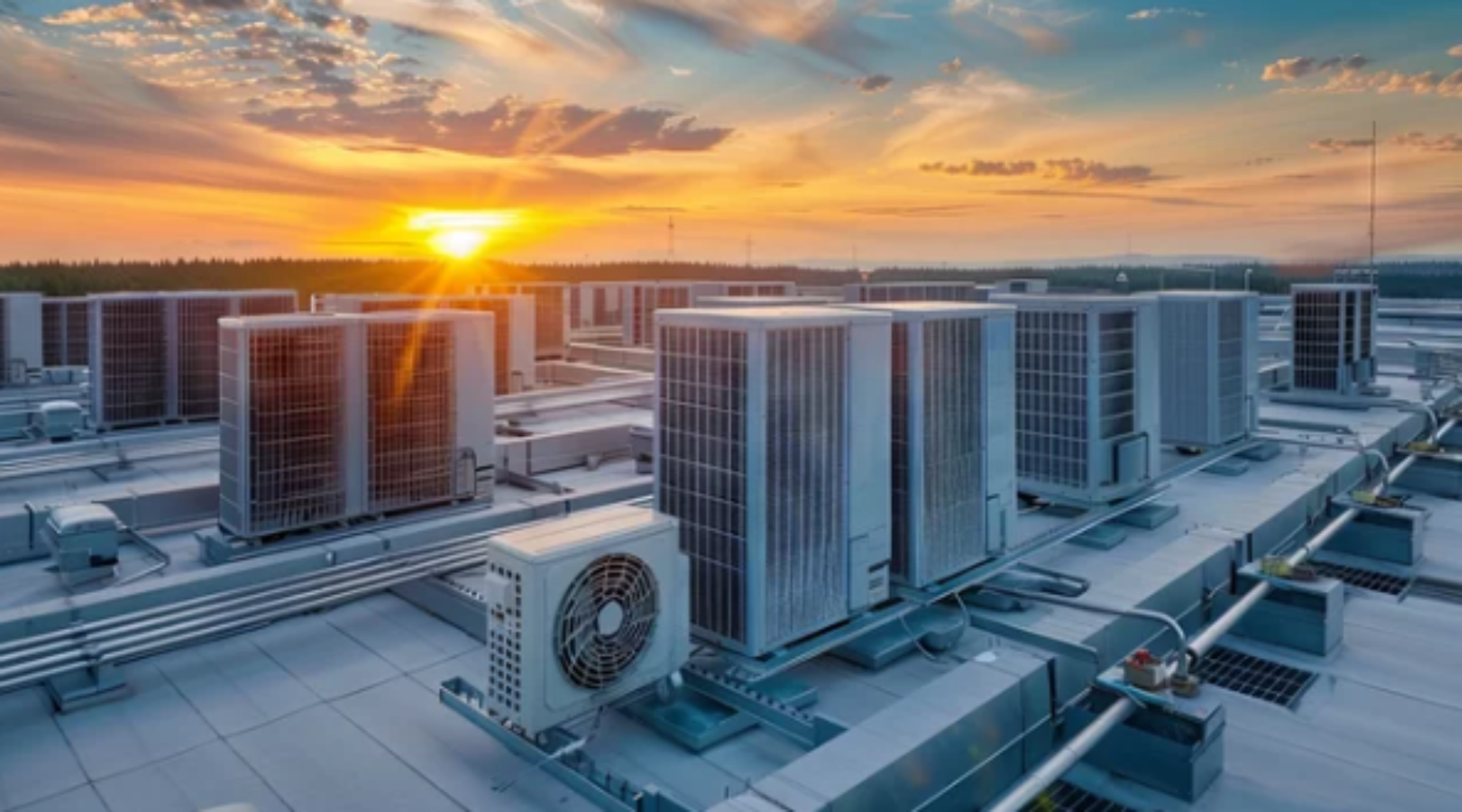
Recent media coverage has raised an important question: could air conditioning become increasingly necessary in parts of the UK as summer temperatures continue to rise?
For many businesses, that may no longer feel like a future issue. Rising temperatures, more frequent heat events and growing operational pressures are already changing how organisations think about cooling across offices, industrial sites, healthcare environments, data centres and commercial buildings.
The immediate question is often a practical one. Do we need more cooling capacity?
But there is another question that deserves just as much attention.
What happens after you’ve installed it?
Rising temperatures are changing the cooling conversation
Air conditioning has traditionally been viewed in the UK as something associated with specific sectors or specialist environments. In many cases, it was considered a comfort measure rather than a business-critical operational requirement.
That perception is beginning to shift.
As summer temperatures rise and heat resilience becomes a more serious concern, cooling is increasingly being discussed in terms of productivity, equipment protection, operational continuity and occupant wellbeing.
For businesses, this changes the conversation from whether cooling is desirable to whether it is becoming essential.
But while the public debate often focuses on installing air conditioning, businesses need to think beyond the equipment itself.
Cooling systems rely on more than hardware
Air conditioning systems are often evaluated on performance, energy efficiency and installation costs.
These are important factors, but they do not tell the whole story.
Every cooling system depends on refrigerants, and refrigerants are facing significant market change.
Environmental regulation, phasedown requirements, evolving legislation, supply pressures and changing cost dynamics are all influencing the long-term refrigerant landscape. For businesses investing in cooling infrastructure today, these factors can have implications far beyond the initial installation.
A system may solve an immediate cooling need, but businesses also need to understand what will keep that system running efficiently and compliantly in the years ahead.
The hidden issue behind rising cooling demand
As demand for cooling grows, refrigerants become a more strategic business consideration.
Questions that may once have been treated as technical details are becoming more commercially important.
Will the refrigerant used in a system remain readily available in the future? How might regulatory changes affect servicing, maintenance or compliance? Could supply pressures impact cost? Are cooling decisions being made with long-term sustainability requirements in mind?
These are increasingly relevant questions for facilities managers, business owners and decision-makers planning for long-term operational resilience.
Cooling infrastructure is rarely a short-term investment. Decisions made today can affect maintenance strategies, operating costs and system viability for years to come.
That is why refrigerants should not be an afterthought in the cooling conversation.
Thinking beyond installation
As temperatures rise, it is understandable that businesses focus on the immediate challenge of keeping people, equipment and operations cool, but installing air conditioning is only part of the story.
The systems businesses choose today will operate within a refrigerant market that is already changing. Regulatory pressure, sustainability expectations and supply dynamics are all shaping the future of cooling in ways that extend beyond equipment performance alone.
This means cooling decisions should be approached as part of a longer-term operational strategy, not simply a reaction to hotter weather.
Because while everyone is asking whether to install air conditioning, the more important question may be what happens after.
Understanding refrigerant market changes
Businesses need to look beyond the immediate cooling requirement and understand the wider refrigerant landscape that supports long-term cooling performance.
Our latest white paper explores the refrigerant market changes affecting the industry, helping businesses understand the pressures, risks and opportunities shaping cooling decisions today and in the future.
Read the white paper to explore the refrigerant market changes businesses need to understand now.