Compressed air is often referred to as the fourth utility in industrial processes. Changing the pressure of atmospheric air by reducing the volume, it is often deemed a safer, flexible and more reliable energy source, with various types of compressors available for use for various industries, including manufacturing, food processing and pharmaceuticals.
With the correct installation, maintenance and compliance to health and safety guidelines, industrial compressed air systems can be energy efficient, cost effective and safe to use. There are several factors to consider when incorporating compressed air into your process, and CPA Engineered Solutions can provide expert guidance and support.
Air Compressor Size
The volume of your compressor will depend on your production requirement and energy demands. It is also important to take into consideration any plans for future expansion, as this often makes it worth installing a bigger compressor than your current production calls for, which will provide a safety margin for unexpected growth and demand.
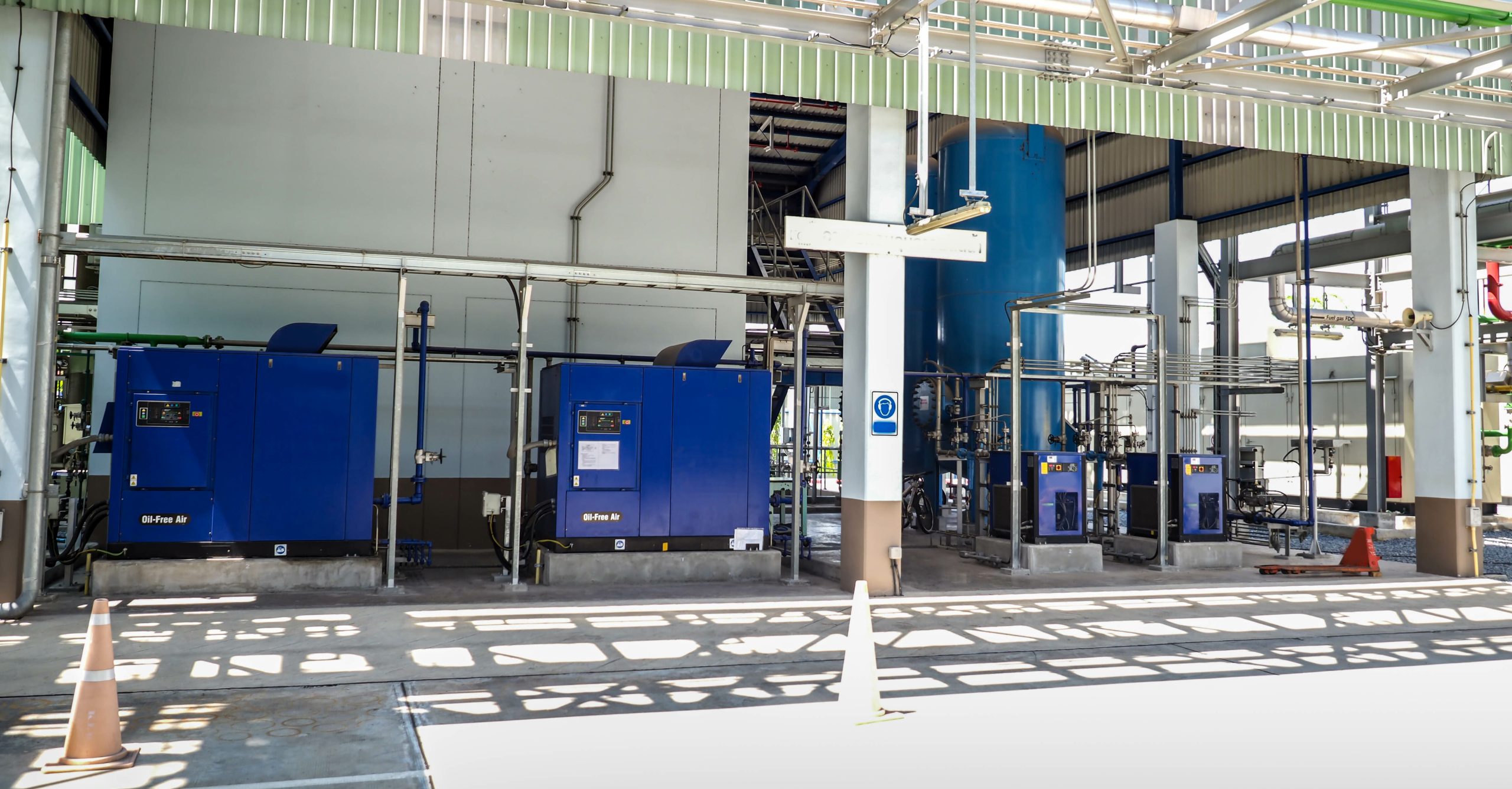
Oil-Injected vs Oil-Free Air Compressors
Oil-injected compressors:
- Use oil for lubrication and cooling during operation
- Suitable for applications requiring high volumes of compressed air
- Best suited to industries where air purity is not a critical requirement
- Require regular maintenance, including oil changes and filtration
Oil-free compressors:
- Maintain a consistently high level of air purity
- Commonly used in food processing, pharmaceutical, and other contamination-sensitive industries
- Eliminate the risk of oil contamination in compressed air
- Requires less routine maintenance compared to oil-injected compressors
- Typically involves higher initial installation costs
Air Compressor Maintenance
When compressed air is generated, it can often contain different types of contaminants.
These contaminants can include but are not limited to:
- Moisture
- Micro-organisms
- Dust
- Oil
These contaminants can negatively affect your downstream processes and equipment, so there is a requirement to install and use downstream driers, filtration and application-specific treatment processes. Oil-injected air compressors will also require regular oil changes. A regular schedule for inspecting your air compressors helps to avoid unexpected problems.
Air Compressor Storage
Ideal storage levels depend on how much compressed air a facility uses. The correct storage capacity will:
- Prevent pressure fluctuations
- Ensure continuity of production
- Supports peak airflow rate
Adequate storage levels will extend the lifespan of the equipment and increase energy efficiency.
Fixed Speed vs Variable Speed Air Compressors
If your process can run on a consistent speed and volume of air, you should look for a fixed-speed compressor. This ensures cost effectiveness where airflow requirements are not likely to fluctuate.
If you require a lot of flexibility in your airflow, a variable-speed compressor is likely more suitable for your process. They often have a higher upfront cost but are more energy efficient when the production demand fluctuates.
It is also possible to use both in industrial processes to maximise cost effectiveness and energy efficiency.
Air Compressor Warranty
A warranty aids in protection against unforeseen costs, as well as for peace of mind in larger investments for industrial purposes. A warranty can decrease costs and reduce downtime, and the added protection is worth the extra cost.
Selecting the correct compressed air system is an important step to maximising industrial scale efficiency and success. Key considerations include size, air purity requirements, maintenance, storage and compressor type when planning to introduce compressed air into your process. CPA Engineered Solutions can provide support to ensure that your equipment meets your operational goals.
Not sure which compressed air solution is right for your process? Contact us at sales@cpa-group.com